Choosing Shop Equipment That Keeps a Busy Repair Bay Flowing
What storage features matter most in a busy repair bay?
The short answer is: modularity, accessible drawer capacity, and smart use of vertical wall storage. A repair bay that runs flat-out needs every tool and part within arm's reach, yet the floor must stay clear for lifts, jacks, and wheel service machines. The right shop equipment balances density of storage with ease of access, and it adapts as the bay's needs change.
A busy bay is not a showroom. It is a working space where seconds count. A technician who spends ten seconds looking for a 10-mm socket does that a dozen times a day, and over a week that lost time adds up to real delays. The storage features that matter most are the ones that reduce that search time without eating into the limited floor space. That is where modular cabinets, deep drawers, and wall systems come into their own.
Modular cabinets over fixed benches
A fixed wooden bench with a few drawers looks tidy on day one, but it rarely fits the workflow of a real bay. Modular cabinets let you configure the height, width, and depth to suit the machines and lifts already in the bay. If you add a new wheel balancer or a tyre changer, you can rearrange the cabinets around it instead of losing a whole work surface. Modular units also allow you to swap out a bank of shallow drawers for a set of deep ones when the job mix changes. That kind of flexibility keeps the bay efficient without a full refit.
Drawer capacity that matches the tool set
Drawer capacity is not just about volume. It is about how the drawer is laid out. A wide, shallow drawer with a foam insert holds sockets and bits in neat rows, letting you grab the right size without rummaging. A deep drawer on full-extension slides gives you access to the back without taking everything out. Lockable drawers are a must for expensive torque wrenches, diagnostic meters, and specialty pullers. When every drawer in a bank is lockable, you can keep the bay secure without moving tools to a separate cage at the end of the day. Look for drawer slides rated for the full weight of the tools they will carry. A slide that sags under load defeats the whole purpose of drawer capacity.
Wall storage that uses vertical real estate
Wall space is often wasted in repair bays. A pegboard or slatwall system hung above a workbench can hold frequently used hand tools, air fittings, and small parts in clear view. The trick is to keep the wall storage for items you reach for every shift, not for overflow storage that collects dust. Lighter items like pliers, screwdrivers, and air blowers live on the wall. Heavier items stay in the lower cabinet drawers so the wall system does not pull away from the studs. A well-planned wall layout also keeps the work surface below clear, giving you room to set down a brake caliper or a transmission part without moving everything to the floor.
Work surfaces that double as storage
A work surface that sits on top of a cabinet bank is a natural place to put a vise, a parts washer, or a small press. But the surface itself should be durable enough to take a hit from a dropped cylinder head and easy to clean when oil spills. Stainless steel or heavy-gauge steel tops hold up better than laminate or wood. Some cabinets come with a butcher-block top that can be replaced when it gets too scarred. The surface depth matters too. A shallow top forces you to hold parts in your hand while you work; a deeper top lets you set down an assembly and still have room for the tools you need. If the surface is part of a rolling cabinet, make sure the castors have a brake so the whole unit does not slide when you lean into a job.
Load rating and floor space
Every piece of shop equipment in a repair bay has a load rating. Cabinets are rated for the weight of the tools and parts they hold. Drawers have a per-drawer rating. Shelving units have a per-shelf rating. Ignoring these ratings leads to bent slides, sagging shelves, and eventually a collapse that spills tools across the floor. In a busy bay, that is not just a mess, it is a safety hazard and a downtime event. Match the load rating to the heaviest item you plan to store. For example, a drawer full of impact sockets and breaker bars needs a higher rating than one holding hoses and fittings. The same thinking applies to floor space. Every square foot of floor that is not covered by a cabinet or a machine should be clear for movement and for the lifts and jacks that roll in and out of the bay. A storage unit that sticks out too far into the aisle creates a pinch point. Measure the bay layout before you buy, and leave at least three feet of clear path around the largest machine.
Tool organization systems that save steps
Storage is not just about where things sit. It is about how you find them. A tool organization system that groups tools by task, brake work, electrical, engine, cuts down on walking back and forth. A small parts bin system with clear lids lets you see at a glance whether you need to restock bolts or o-rings. Some bays use a shadow-board layout on a pegboard, outlining each tool so you know at a glance what is missing. The system only works if everyone in the bay uses it the same way. A consistent approach to tool organization keeps the bay running smoothly, even when shifts change.
For a bay that handles everything from routine oil changes to heavy repairs, the right mix of storage features reduces frustration and keeps the work moving. Modular cabinets, high-capacity drawers, wall storage, durable work surfaces, and proper load ratings all play a part. The best setup is the one that adapts to the bay's real workload without getting in the way. When you are choosing shop equipment, visit a dealer or look at a range of options online. A site like ironsidegarage.com shows the variety of cabinets, wall systems, and work surfaces available for professional shops. Seeing the actual dimensions and load capacities helps you picture how the pieces will fit your space.
Lockable drawers, modular cabinets, and wall storage each solve a different problem, but they work best together. A bay with a tall cabinet bank on one wall, a slatwall panel over the bench, and a rolling tool cart in the centre can handle a surprising amount of work without feeling cramped. The key is to think about the flow of a typical job, from the moment you roll the car in to the moment you pull it out, and put the tools you need at the points where you stop. That might mean a small drawer unit near the lift for the sockets you use most, and a separate cabinet near the wheel balancer for wheel weights and adapters. Every step saved is time you can spend on the next job.
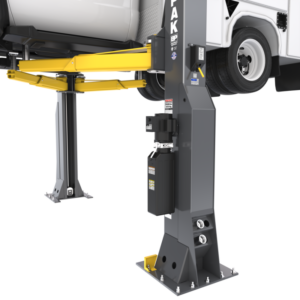
When you plan a bay layout, start with the largest machines, the lift, the tyre changer, the wheel balancer, and fit the storage around them. Leave room for a work surface that can double as a bench for smaller jobs. Use wall space above the bench for frequently used hand tools. Put the heavy, seldom-used items in the bottom drawers of a cabinet. Keep the top drawers for everyday items. And always check the load rating before you load a drawer to its limit. A well-organised bay does not happen by accident. It happens when you choose storage features that match the actual demands of the work.